Source Glitter Puff Heat Transfer Vinyl for Garments, Shoes, Bags
Compare 30 listings of glitter puff heat transfer vinyl from verified Chinese suppliers. Buyers can evaluate customization options, material types like PU and silicone, and application suitability for garments, shoes, and bags based on provided specifications.
Key considerations
Products List


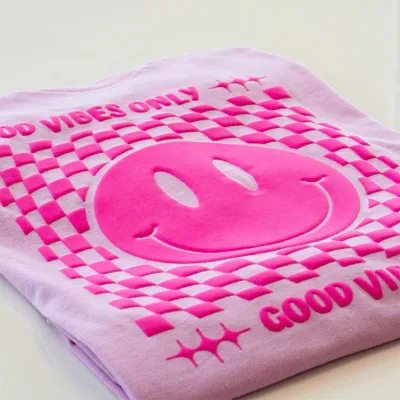
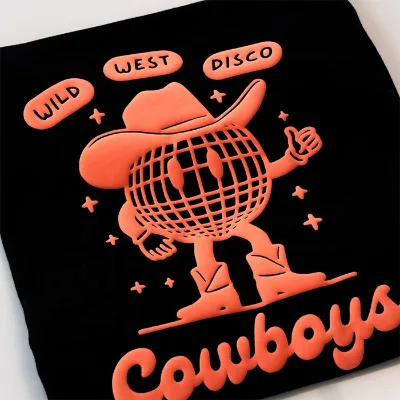
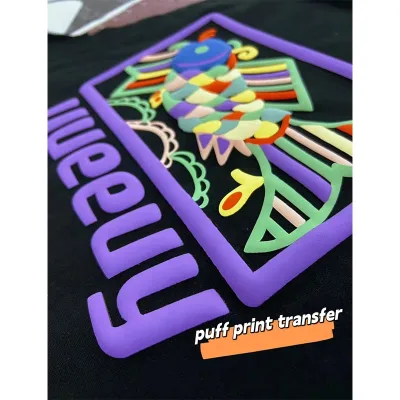


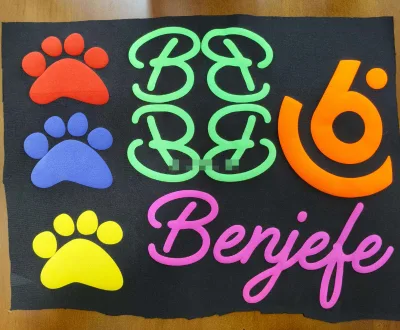


Comprehensive Sourcing Guide
Strategic Sourcing Guide for Glitter Puff Heat Transfer Vinyl
Understanding the Product Category and Technical Baseline
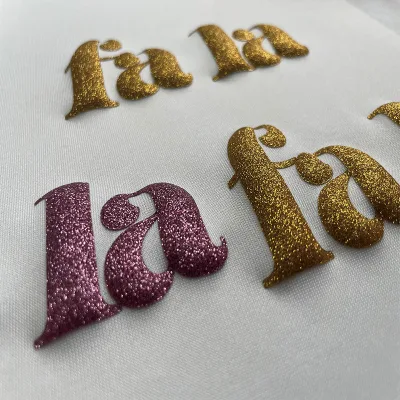
Glitter puff heat transfer vinyl represents a specialized subset of thermoplastic materials designed to create textured, three-dimensional graphics on various substrates. When sourcing this material, buyers must distinguish between standard flat vinyls and those engineered for "puff" effects, which expand upon heat application to produce a raised surface. The core technical identity of these products often involves a combination of glitter finishes and expandable foam layers. Based on observed market data, the product model identifiers frequently associated with this category include specific designations like "DL-DIY Vinyl" or "Glitter Heat Transfer Vinyl," alongside generic descriptions such as "3D Puff Heat Transfer Vinyl for t Shirt."
The physical dimensions of the material are critical for production planning. Observed specifications indicate a standard thickness of 80 micrometers (80um) for certain variants, while others designed specifically for the puff effect may exhibit a thickness of 3mm after expansion or during the raw state depending on the specific formulation. The standard roll dimensions observed in the market include configurations such as 1070mm by 800m or 1220mm by 800m, though custom requirements often dictate alternative sizing. The material is typically supplied in rolls, with some listings specifying a standard width of 20 inches and a length of 25 meters per roll.
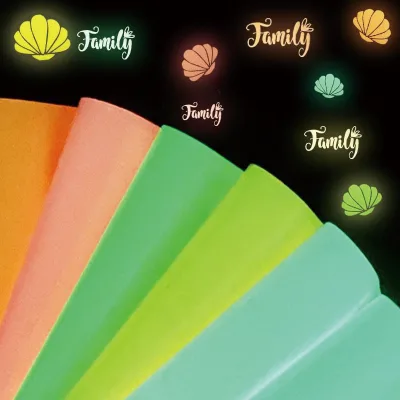
The visual and tactile properties are defined by specific features. Buyers should expect products that are described as "Eco-Friendly," "Waterproof," and "Fluorescent." The glitter component adds a reflective quality, often categorized under "Holographic" or "Rainbow" color profiles, while the puff component provides a distinct "3D Puff" effect. The shape of the finished application is noted as "Irregular" in some contexts, suggesting the material's ability to conform to complex garment contours. The base material is frequently identified as PU (Polyurethane) or Silicone Heat Transfer Vinyl, offering flexibility and stretchability essential for apparel applications.
Compliance, Certification, and Material Safety Standards
In the B2B procurement of heat transfer vinyl, verifying compliance with international safety and environmental standards is paramount. The supply chain for these materials often references specific certifications to ensure the product meets regulatory requirements for export and domestic use. One of the most frequently cited certifications in this sector is ISO, which indicates adherence to quality management systems. However, buyers must verify that the specific batch or supplier holds current, valid ISO certification rather than relying on general claims.
Material safety is another critical compliance vector. The product attributes highlight "Eco-Friendly" and "Environmental Friendly" as key selling points. This suggests the materials may be formulated to avoid hazardous substances, though buyers should request specific test reports to confirm compliance with regional regulations such as REACH in Europe or Prop 65 in California. The "Soft PU" and "Silicone" material types are generally preferred for their lower toxicity profiles compared to older PVC-based alternatives, but this must be confirmed through the supplier's documentation.
The standard operating parameters for these materials also serve as a proxy for compliance. The "Best Use Temperature" is observed to range between 0 and 100 degrees Celsius. This range defines the thermal stability of the material during storage and the operational limits during the heat press process. Exceeding these limits can degrade the material, while falling below them may prevent proper adhesion. Buyers should ensure that their production equipment can maintain temperatures within the specific transfer window, which is often cited as 140-150 degrees Celsius for application, distinct from the storage temperature range.
Cost Drivers and Pricing Structure Analysis
The pricing structure for glitter puff heat transfer vinyl is influenced by several dynamic factors, including material composition, customization levels, and order volume. The observed price range in the market spans from $0.12 to $89.85 USD. This wide variance is not indicative of a single product but rather reflects differences in roll sizes, material thickness, and the complexity of the finish. For instance, a standard 20-inch by 25-meter roll of basic glitter vinyl will command a different price point than a custom-sized, 3mm thick puff vinyl with holographic effects.
Minimum Order Quantity (MOQ) is a significant cost driver. The market data indicates an MOQ range of 1 to 100 units, with specific product models like the "DL-DIY Vinyl" requiring a minimum of 100 meters. Buyers sourcing smaller quantities may face higher per-unit costs or may need to aggregate orders to meet supplier thresholds. Conversely, suppliers offering an MOQ of 1 unit often cater to prototyping or small-batch customization, which typically carries a premium.
Customization is a primary factor in cost escalation. While some products are listed as "Non-Customized," the majority of the market supports "OEM T-Shirt Logo" and custom artwork requests. The ability to accept "OEM Logo as Your Artwork" allows for brand-specific designs but often incurs setup fees or higher unit costs. Additionally, the "Best Use Temperature" and specific "Transfer Pressure" requirements (around 20-30 pounds) may necessitate specialized machinery, indirectly affecting the total cost of ownership. Buyers should also consider the "Sample" availability; many suppliers offer free samples, which reduces the risk of sourcing errors but may involve shipping costs.
Typical Applications and Substrate Compatibility
Glitter puff heat transfer vinyl is engineered for a diverse range of applications, primarily within the fashion and textile industries. The "Best Use" and "Application" fields consistently list "Garments," "Shoes," "Bags," "Clothing," and "Textiles." The material's flexibility and stretchability make it particularly suitable for apparel that undergoes significant movement, such as athletic wear or casual fashion. The "3D Puff" effect is especially popular for creating bold, textured logos on t-shirts, hoodies, and caps.
Beyond textiles, the application scope extends to "Cosmetic Box," "Leather," and "Beverage" packaging. This versatility suggests the material's adhesive strength and durability are sufficient for non-fabric substrates. The "Waterproof" and "Anti-Counterfeit" features add value for applications requiring product protection or brand security. For example, the holographic or fluorescent properties can serve as anti-counterfeit measures on luxury goods or limited-edition packaging.
The "Use to" attribute specifically mentions "Iron on T-Shirt," indicating the primary method of application is heat pressing. However, the "Transfer Time" of around 15 seconds and "Transfer Temperature" of 140-150 Celsius suggest that the process requires precise control. The "Release Force" is noted as "Moderate," which implies that the material adheres well but can be removed from the carrier sheet without damaging the substrate if the correct pressure and time are applied. Buyers should verify that their target substrates can withstand the required heat and pressure without scorching or melting, particularly for synthetic fabrics.
Supplier Evaluation and Operational Capabilities
When evaluating potential suppliers for glitter puff heat transfer vinyl, buyers must look beyond the product listing to assess operational reliability. The "prod_origin" is consistently listed as "Jiangsu, China" or generally "China," indicating a concentrated manufacturing hub. This region is known for its textile and chemical processing capabilities, but buyers should verify the specific factory's capacity to handle custom orders.
Packaging standards are a key indicator of supplier professionalism. Observed packaging methods include "Shrink with Label Card," "OPP Bag," and "Paper Box." The availability of "Shrink with Label Card" suggests a retail-ready option, while "OPP Bag" is common for bulk industrial use. The ability to pack "as Your Request" is a critical flexibility factor for buyers with specific branding or logistics requirements.
The "Customization" attribute is widely available, with suppliers accepting "OEM Logo as Your Artwork." However, the "Customized" status varies; some items are marked "Non-Customized," while others are fully customizable. Buyers must clarify whether the customization applies to the material itself (e.g., color, thickness) or just the printed design. The "Advantage" of being "Easy to Cut & Weed & Peel & Transfer" is a significant operational benefit, reducing labor time and waste during the production process.
Quality Control and Performance Verification
Ensuring consistent quality in heat transfer vinyl requires a rigorous verification process. The "Transfer Pressure" of around 20-30 pounds and "Transfer Time" of 15 seconds are standard benchmarks, but these must be validated for each specific batch. Variations in the "Release Force" or "Thickness" can lead to application failures, such as poor adhesion or uneven puffing.
Buyers should request detailed technical data sheets that confirm the "Best Use Temperature" range of 0-100 degrees Celsius for storage and the specific application temperature of 140-150 degrees Celsius. The "Thickness" specification of 80um or 3mm must be measured using calibrated equipment to ensure it meets the design requirements. The "Color" consistency, whether "Rainbow," "Holographic," or custom, should be verified against a standard color chart to prevent batch-to-batch variations.
The "Feature" set, including "Anti-Counterfeit," "Waterproof," and "Eco-Friendly," should be supported by third-party test results. For instance, the "Waterproof" claim should be backed by water resistance testing, and the "Eco-Friendly" status should be verified through chemical composition reports. The "Shape" being "Irregular" in some contexts may refer to the cut-out designs, but the material itself should be uniform. Buyers should also check the "Standard" specifications, such as the 1070mmx800m or 1220mmx800m dimensions, to ensure they align with their production machinery.
Long-Term Procurement and Supply Chain Resilience
Long-term procurement of glitter puff heat transfer vinyl requires a strategic approach to supply chain management. The "MOQ" of 100 meters for certain models suggests that buyers should plan for inventory levels that balance storage costs with the need for consistent supply. The "Sample" availability, often provided for free, is a valuable tool for initial testing but should not be relied upon for long-term production without a confirmed bulk order.
The "prod_packing" options, such as "Shrink with Label Card" or "OPP Bag," should be evaluated for their impact on storage and shipping. Durable packaging is essential to prevent damage during transit, especially for materials with a "3D Puff" structure that may be susceptible to compression. The "Customization" capability allows for brand differentiation, but buyers should establish clear communication channels with suppliers to manage artwork changes and production schedules.
Finally, the "Location" of the supplier in Jiangsu, China, offers access to a robust supply chain but requires consideration of logistics and lead times. Buyers should verify the supplier's ability to meet "Lead Time" expectations, which are not explicitly stated in the product data but are critical for production planning. Establishing a relationship with a supplier that offers "OEM" services and maintains "ISO" certification ensures a higher level of reliability and quality assurance for future orders. By focusing on these factors, buyers can secure a steady supply of high-quality glitter puff heat transfer vinyl that meets their specific production and branding needs.
FAQs
What customization options are available for glitter puff heat transfer vinyl?
Suppliers offer full customization including OEM logos and custom artwork. You can request specific colors, dimensions, and packaging types like shrink wrap or paper boxes to match your brand requirements.
Can I get free samples of the heat transfer vinyl before ordering?
Yes, free samples are provided by many suppliers to help you verify quality. This allows you to test the 3D puff effect and adhesion before committing to a larger production run.
What is the standard thickness for this heat transfer vinyl material?
The material thickness is typically 80 micrometers or 3 millimeters depending on the specific variant. Some models like the DL-DIY Vinyl are designed for specific thickness requirements.
Which certifications do manufacturers hold for this product?
Many suppliers hold ISO certification to ensure quality management standards are met. This certification helps verify that the production processes adhere to international safety and quality benchmarks.
How does the transfer temperature affect the application process?
The optimal transfer temperature ranges from 140 to 150 degrees Celsius for proper adhesion. Applying heat within this window ensures the 3D puff effect expands correctly without damaging the fabric.
What is the minimum order quantity for bulk purchases?
The minimum order quantity varies from 1 unit up to 100 meters depending on the product model. Specific items like the DL-DIY Vinyl often require a minimum of 100 meters.
Where are the primary manufacturing locations for this vinyl?
Most products originate from Jiangsu, China, which is a major hub for textile materials. This location allows for efficient logistics and access to a wide range of manufacturing capabilities.